
Introduction to Brahms, Serenade No.2 in A major
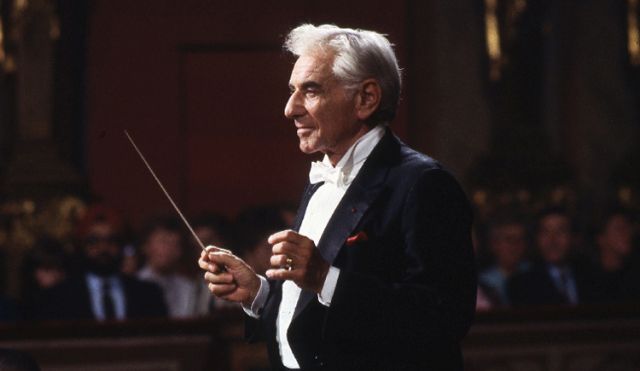
Just like the Serenade No. 1, its companion piece Op. 16 was also written in the little princely residence town of Detmold chiefly in the summers of 1858 and 1859. Brahms, then a young man in his mid 20s, enjoyed the summers he spent there in the employ of the princely family, and the result was works marked by a filigree lightness and a dancing lilt. They are both gentle scores, so modest in physical volume of sound, so tender, idyllic in mood that they suggest a conscious reaction against the monumentalism of their immediate predecessor, the Piano Concerto in D minor. Brahms enjoyed his Serenade No. 2 and wrote: "I felt absolutely blissful... I have rarely composed with such exhilaration - the music flowed so sweetly and gently inside me that I was filled with joy through and through." The work was premiered in Hamburg on 10 February 1860. It was performed in New York by the New York Philharmonic two years later, on 1 February 1862. Between 1981 and 1984, Leonard Bernstein recorded nearly all of Brahms's orchestral works with the Vienna Philharmonic Orchestra to honor the 150th anniversary of the composer's birth in 1983. Today, the cycle is considered as a landmark in the interpretation of Brahms' music. Bernstein and the Vienna Philharmonic have underscored both the classicism and romanticism, the dramatic intensity and the sober restraint of Brahms's music. The venue was Vienna's Musikvereinssaal, where two of Brahms's symphonies were premiered and where Brahms himself conducted. In his introductions, Bernstein speaks with an eloquence and conviction that go far beyond the opening words to a traditional concert performance. With his stimulating theories on Brahms and his music, Bernstein prompts viewers to listen to the music with an open mind.