
Introduction to Brahms, Symphony No.3 in F major, op.90
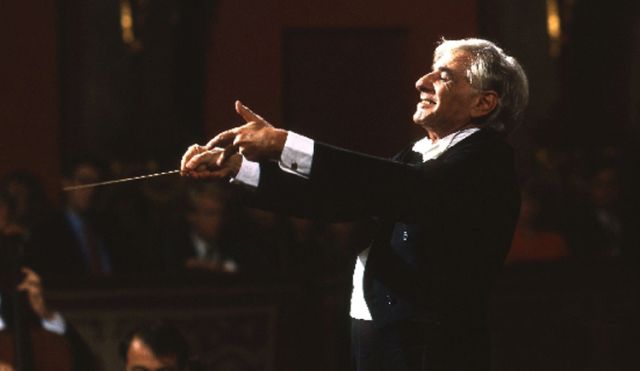
A particularly mellow, burnished glow radiates from Brahms's F major Symphony. The work was written chiefly in Wiesbaden, where Brahms spent the summer of 1883. He had just turned fifty - and had possibly fallen in love with the much younger singer Hermine Spiess, who happened to live in Wiesbaden. Like most of his symphonies, the Third is also permeated by a melodic motto. This one consists of three notes which not only open the symphony but are frequently woven into its texture and return with dramatic emphasis at crucial moments in the later movements. The unexpectedly quiet close of the Third sets it off against the previous two symphonies and calms the electrifying tension of all four movements before reaching a tension-releasing "transfiguration" (Clara Schumann). Between 1981 and 1984, Leonard Bernstein recorded nearly all of Brahms's orchestral works with the Vienna Philharmonic Orchestra to honor the 150th anniversary of the composer's birth in 1983. Today, the cycle is considered as a landmark in the interpretation of Brahms' music. Bernstein and the Vienna Philharmonic have underscored both the classicism and romanticism, the dramatic intensity and the sober restraint of Brahms's music. The venue was Vienna's Musikvereinssaal, where two of Brahms's symphonies were premiered and where Brahms himself conducted. In his introductions, Bernstein speaks with an eloquence and conviction that go far beyond the opening words to a traditional concert performance. With his stimulating theories on Brahms and his music, Bernstein prompts viewers to listen to the music with an open mind.