
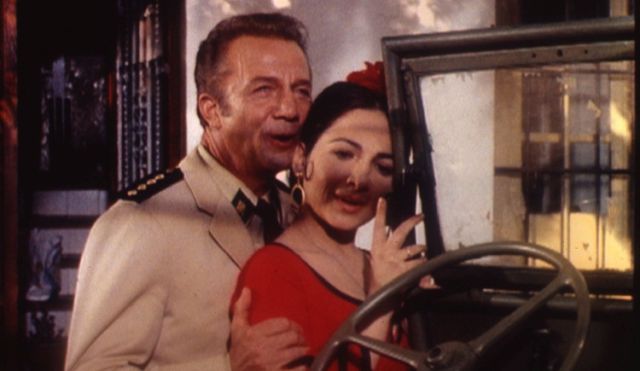
Giuditta
Franz Lehár (1870-1948) was incontestably one of the foremost masters of the operetta. He abounded in creative ideas, was a supreme craftsman, a temperamental musician whose artistry flowed in his blood, and a dramatist who succeeded in breathing genuine life into the hackneyed figures of the operetta genre. His most popular operettas were premiered between 1925 and 1929. These were the works whose wealth of ideas and emotionally florid, sometimes even sentimental, melodies brought them greater fame than the brilliant early works such as "The Count of Luxembourg" (1909) and "Gypsy Love" (1910) - save for "The Merry Widow" (1905), his most popular operetta of all. The works of this second creative period were also conceived with one particular singer in mind: Richard Tauber. The most typical works of this period are "Paganini" (1925), "The Czarevitch" (1927), "Friederike" (1928) and "Das Land des Lächelns" (1929). "Giuditta", Lehár's last operetta, was premiered at the Vienna State Opera in 1934 under the musical direction of the composer and with Richard Tauber in the tenor role of Octavio. Franz Lehár, who became known and revered in his later years as the King of the Silver Operetta, died in his villa in Bad Ischl, Austria, on 24 October 1948.