
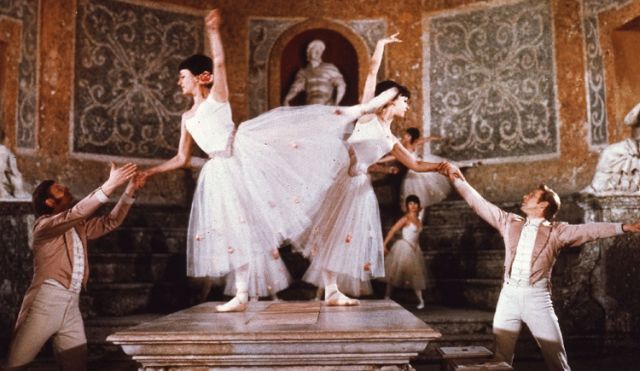
Die Zirkusprinzessin
Emmerich Kálmán (1882-1953) ranks next to Franz Lehár as one of the leading representatives of the "Silver Era" of the operetta, which was stamped above all by the works of the Austro-Hungarian cultural sphere, and which followed the classical period of the Viennese operetta. Kálmán's "Herbstmanöver", premiered at the Theater an der Wien in Vienna in 1908, immediately confirmed the young composer's talent for this genre. The roots of the phenomenal originality of his melodies lie in his love of Hungarian gypsy music and his natural affinity for the Viennese waltz tradition, which characterize such musically original, international successes as the operettas "The Czardas Princess" (1915) and "Countess Maritza" (1924). Kálmán emigrated to America in 1939 but returned to Europe after the War and died in Paris on 30 October 1953. Beginning in the 1920s, he increasingly incorporated elements of modern dance music into his stage works. Particularly worthy of mention among his other successful works are "Die Bajadere" (1921), "The Circus Princess" (1926) and "Das Veilchen vom Montmartre" (1930).