
Ravel, Alborada del Gracioso
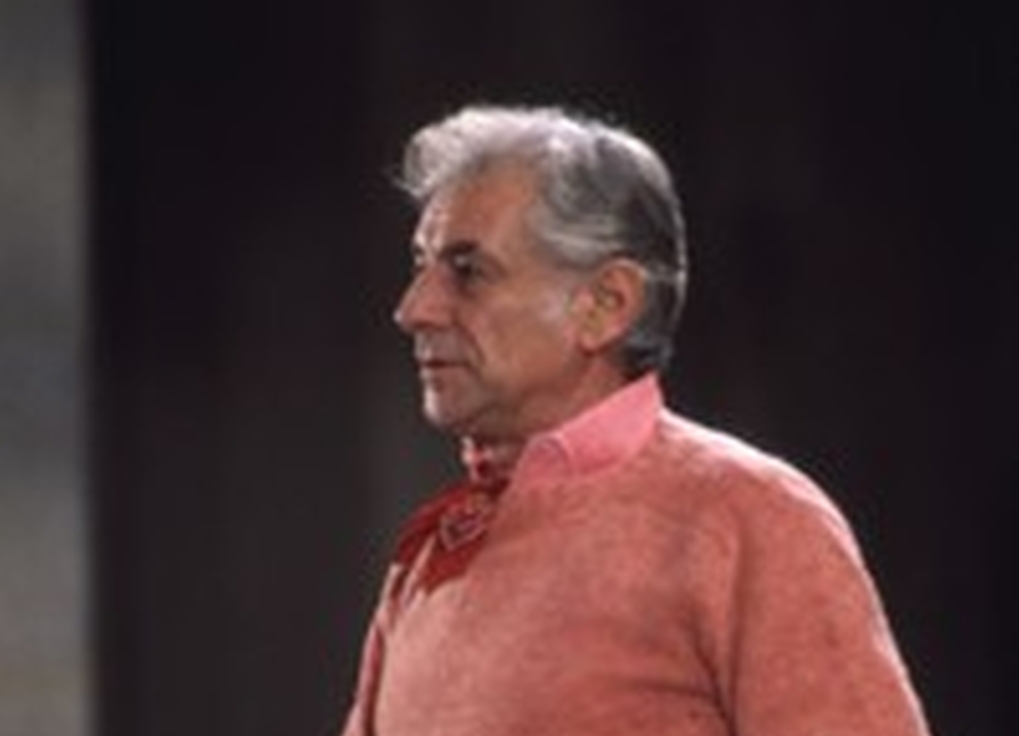
The works presented in this concert are among Ravel's most celebrated orchestral pieces. The "Alborada del Gracioso" or "Jester's Morning Song" was originally part of the piano collection "Miroirs". Ravel himself arranged the scintillating piece for orchestra in 1918. Written in 1903, the orchestral song cycle "Shéhérazade" is based on texts by the painter Tristan Klingsor. Of his Piano Concerto in G major, Ravel said that it was "written in the spirit of Mozart and Saint-Saens." But while the influence of Mozart is clearly felt in the Adagio, it is American jazz that permeates the dazzling Presto finale. The concert rhapsody "Tzigane" was apparently inspired by the playing of violinist Jelly d'Arányi. Premiered on 12 December 1920, Ravel's "La Valse" was originally called "Wien" (Vienna) - a title not considered appropriate in France so soon after World War I. Though conceived as a ballet, it was not performed as such until 1928, when Ida Rubinstein staged it at the Paris Opéra. Perhaps Ravel's most well-known work is "Bolero", which was a sensational success at its premiere at the Paris Opéra on 22 November 1928 and has remained unquenchably popular ever since. The year 1975 marked the centennial of Maurice Ravel's birth (7 March 1875), an event celebrated with particular brilliance in France. One of the special concerts given to commemorate the great French composer was held at Paris's Théâtre des Champs Elysées on 19 September 1975 and featured the Orchestre National de France led by Leonard Bernstein. The all Ravel concert also featured the soloists Marilyn Horne in the song cycle "Shéhérazade" and the violinist Boris Belkin in "Tzigane". Bernstein himself played the solo part in the G major Piano Concerto. The concert was such a dazzling success that the critic of Le Figaro was stirred to proclaim about Bernstein: "He IS Ravel".